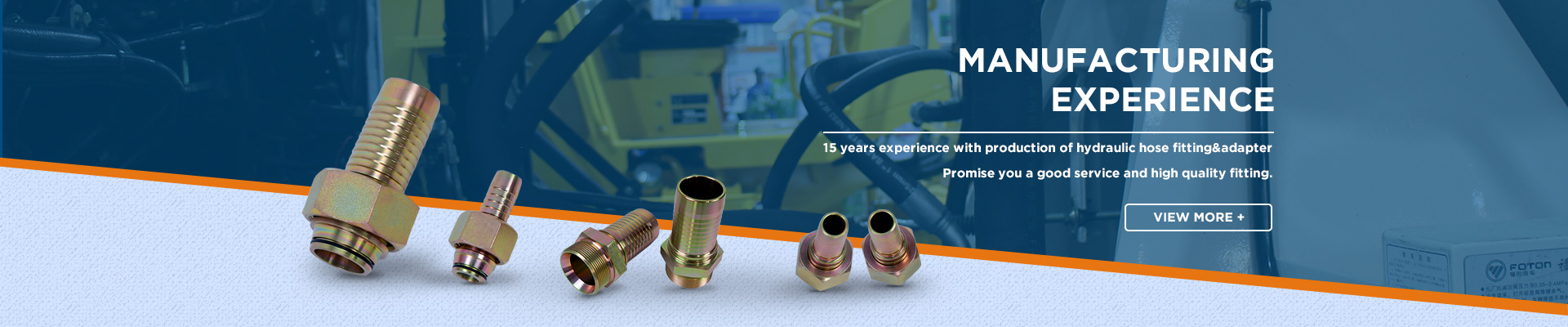
Hydraulic Fittings: Transition Fittings
#### Introduction
Hydraulic systems are integral to various industrial applications, providing the necessary power and control for machinery and equipment. One of the essential components of these systems is hydraulic fittings, which play a crucial role in connecting hoses, pipes, and other components. Among these fittings, transition fittings are particularly important as they facilitate the connection between different types of hydraulic components. This article will explore the significance, types, and applications of hydraulic transition fittings.
#### What are Hydraulic Transition Fittings?
Hydraulic transition fittings are specialized connectors designed to join two components that have different thread types, sizes, or materials. They serve as adapters that enable the seamless integration of various parts within a hydraulic system, ensuring efficient fluid transfer and pressure retention. These fittings are essential in applications where compatibility between differing hydraulic components is necessary.
#### Types of Hydraulic Transition Fittings
1. **Threaded Transition Fittings**: These fittings are designed to connect components with different thread standards, such as NPT (National Pipe Thread) to BSP (British Standard Pipe). They often come in male-to-female configurations to facilitate the connection.
2. **Flanged Transition Fittings**: Flanged fittings allow for the connection of components with different flange sizes or standards. They are commonly used in high-pressure applications and offer a robust solution for joining pipes and hoses.
3. **Quick Disconnect Transition Fittings**: These fittings enable rapid connection and disconnection of hydraulic lines. They are particularly useful in applications where frequent maintenance or component swapping is required.
4. **Reducer Fittings**: Reducers are used to connect hoses or pipes of different diameters, allowing for a smooth transition from a larger to a smaller size. They help maintain flow rates and pressure within the system.
5. **Material Transition Fittings**: These fittings are designed to connect components made from different materials, such as steel to plastic. They ensure compatibility and prevent issues related to corrosion or material degradation.
#### Applications of Hydraulic Transition Fittings
Hydraulic transition fittings are widely used across various industries, including:
- **Construction**: In heavy machinery and equipment, transition fittings ensure that hydraulic systems operate smoothly despite variations in component specifications.
- **Agriculture**: Transition fittings are crucial in agricultural machinery, allowing for the integration of different hydraulic components, which enhances efficiency in farming operations.
- **Automotive**: In automotive applications, these fittings help connect hydraulic systems, such as brakes and steering, ensuring optimal performance and safety.
- **Manufacturing**: Hydraulic systems in manufacturing equipment often require transition fittings to connect different machinery, enabling seamless operation and improved productivity.
#### Conclusion
Hydraulic transition fittings are vital components that enhance the flexibility and efficiency of hydraulic systems. By allowing for the connection of different types of components, they play a crucial role in maintaining the performance and reliability of hydraulic applications across various industries. Understanding the different types of transition fittings and their applications can help engineers and technicians make informed decisions when designing and maintaining hydraulic systems. As technology advances, the development of more efficient and durable transition fittings will continue to enhance the capabilities of hydraulic systems in the future.
 Merry Christmas 2024 hydraulic fittings&adapters Factory
Dec. 24, 2024
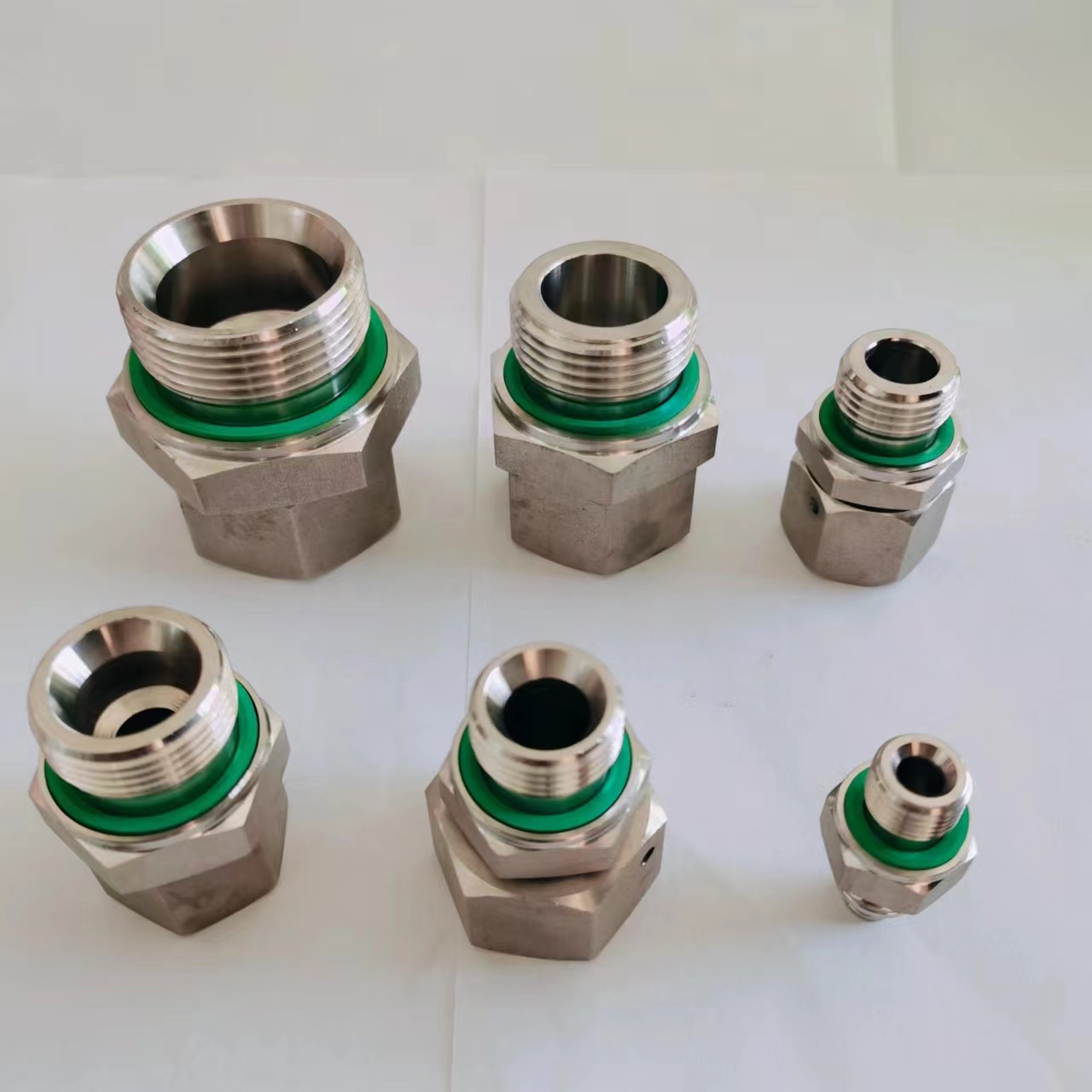 Hydraulic Fittings Holidays Notice
Dec. 12, 2024


Copyright © Zhejiang Shihui Hydraulic Machinery Co.,Ltd. All Rights Reserved | Sitemap |